1st Gear
Road Positioning Through Bends and Junctions
A bend and a junction are where positioning stops being theory and starts costing you. Sit the car wrong on a bend and you can't see round it. Sit it wrong at a junction and you've told everyone the wrong thing. Here's where the car actually belongs.
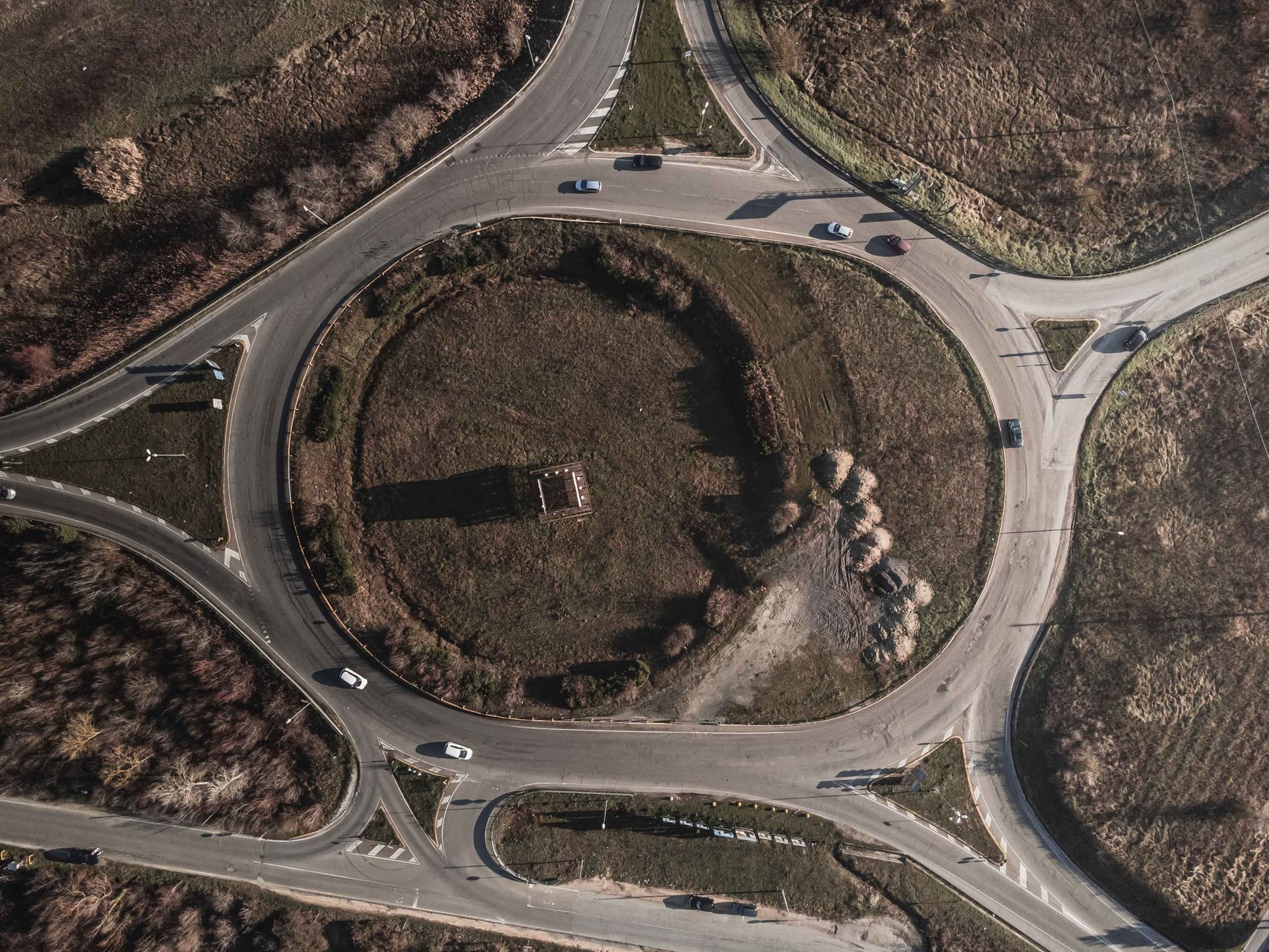
Straight roads forgive a lot. Bends and junctions forgive nothing, because that's where the car's position decides what you can see and what everyone else expects of you. Get in the right place early and both problems solve themselves. Leave it late and you're correcting mid-manoeuvre, which is exactly what the tester is watching for.
Through a bend: position for the view
On a left-hand bend, sitting tight to the kerb means you can't see round it, and whatever's coming can't see you until late. On a right-hand bend, hugging the centre line puts your nose into the path of anything coming the other way. The rule is to position for the best safe view without crossing into danger: a little wider on the left-hander to see round, a little tighter on the right-hander to stay clear of the oncoming lane. You're buying yourself sight-lines and time.
Approaching a junction: commit early
Turning left, you keep to the normal driving position, not so tight you clip the kerb on the way in. Turning right, you move toward the centre of your side in good time so following traffic can pass on your left and so your intention is obvious long before you turn. The mistake is drifting across at the last second. Position early and the junction reads you clearly.
Roundabouts: the lane is the whole game
Roundabouts fail more tests than anything else, and it's almost always lane discipline. Left lane for left or straight-ahead-ish exits, right lane for anything past twelve o'clock, and you pick the lane on the approach, not on the give-way line with a bus behind you. Take the wrong lane and cut across someone on the way out and that's a serious fault every time. The lanes aren't a suggestion. The tester treats them as law.
Positioning is a message
Every place you put the car tells the drivers around you what you're about to do. Sat right, early, and steady, you're predictable, and predictable is safe. Wandering, late, and correcting, you're a puzzle, and puzzles cause crashes. The tester isn't marking prettiness. They're marking whether the car's position told the truth about your intentions.
Bends and junctions are positioning under pressure. For how this sits alongside the observation that has to come first, here's observation and road positioning explained. Pick your place early, hold it, and let the car say what you mean.