1st Gear
Observation and Road Positioning: Look First, Place the Motor
At 50km/h the motor covers roughly fourteen metres every second. That's a bus length of road eaten while you make up your mind. You can only put the car where your eyes already went, so if the looking is late the steering is a guess. Observation and road positioning. Two skills, one job, and between them they fail more tests than nerves ever did.
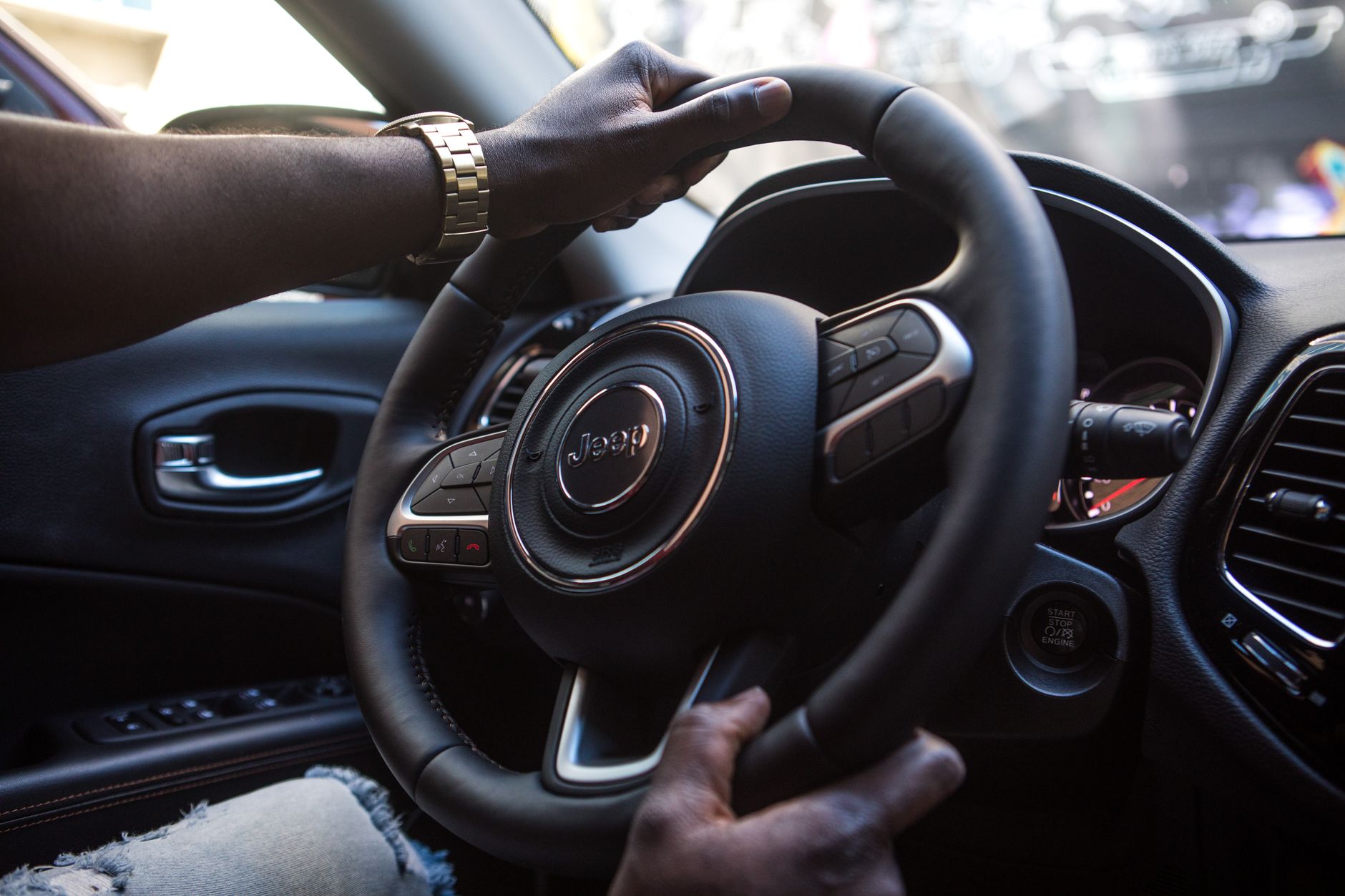
People think the hard part is working the car. It isn't. The controls are sorted inside a few weeks. What the test marks, and what keeps you off a bonnet after it, is whether you see what's around you and put the motor in the right place because of it. Two skills. They feed each other.
Observation is hunting, not staring
Good observation is work. The eyes keep moving: far up the road for what's coming, near for what's about to matter, mirrors for what's behind, the sides for what's creeping in. You gather the information and you act on it before it turns into a problem. A driver who's just facing forward isn't observing. He's a passenger who happens to be holding the wheel.
Positioning is the motor telling the truth
Where you sit the car says what you're about to do before you do it. Too tight to the kerb and there's no room for the parked car ahead. Too far out and you're crowding the centre line. Wrong lane at a junction and you've committed to a turn you never wanted. Right positioning is the motor sitting where a calm driver would put it, early, so nobody around you has to guess.
The loop: look, decide, place
You can't place the motor well if you never looked, and there's no point looking if you don't then move on what you saw. See the parked car, check the mirror, ease out in good time, pass with room, ease back in. Load, mirror, gap. Skip the looking and the position is luck. Skip the placing and the looking was wasted.
Why the test leans on both
The test isn't hunting a perfect driver. It's checking you won't do the thing that gets an ordinary driver hurt, and nearly every one of those things is a failure to look or a failure to be in the right place. Poor observation at a junction and lazy positioning on a bend are two marks on the sheet you didn't need, and they're two of the most common. Twenty-odd years in the passenger seat and it's the same two every week.
Where it breaks down from here
Observation and positioning come apart into a handful of specific habits: mirrors and the blind spot, where to sit through bends and junctions, and reading the road far enough ahead to have time. For the full local run through the lot of it, junction by junction, here's the Swords guide to observation and road positioning.
Look properly. Sit the motor where it belongs. Both, together, every time, until it stops being a decision and becomes the habit that drives you home.