1st Gear
Anticipation: Reading the Road Ahead
The difference between a driver who reacts and one who anticipates is about two seconds, and two seconds is the whole game. One sees the problem when it arrives. The other saw it coming and was already slowing. The test wants the second driver. So does everyone sharing the road with you.
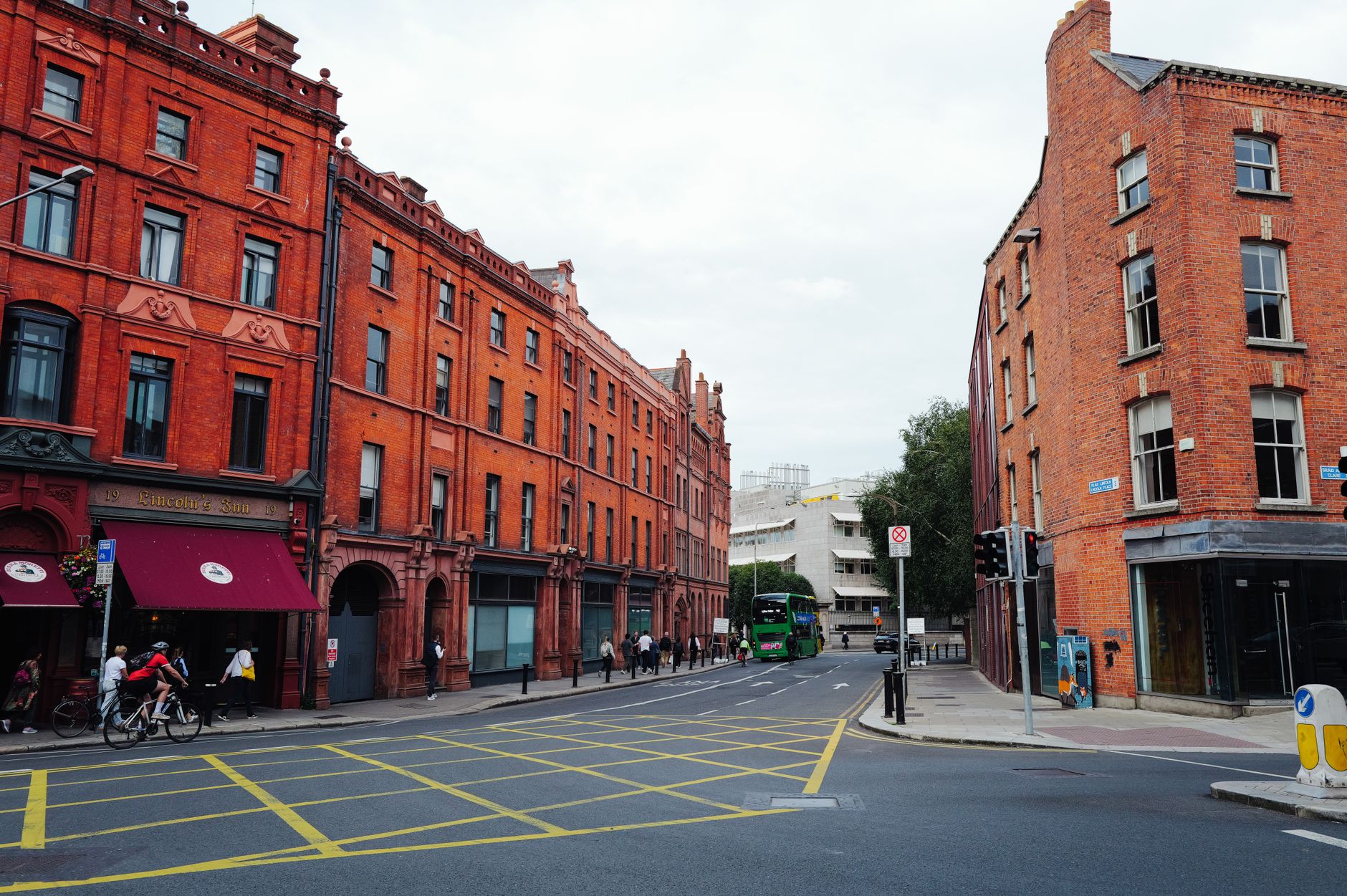
Anticipation is the skill of reading the road far enough ahead that nothing surprises you. It's the opposite of the driver who's grand until something happens, then panics. Nothing should be a surprise if you were looking, and looking far enough out is a habit you build, not a talent you're born with.
Look far, not just near
The nervous learner stares at the road right in front of the bonnet, so every hazard arrives with no warning. The good driver's eyes are well up the road, scanning for what's coming, dropping back to the near view only to place the car. Look far and you get time. Time is what turns a panic-brake into a gentle ease-off nobody in the car even notices.
Read the clues the road gives you
The road is full of tells if you read them. Brake lights three cars ahead mean you lift off now, not when the car in front finally reacts. A ball bouncing into the road means a child is about to follow it. A bus stopped ahead means people stepping out from in front of it. A parked car with someone in the driver's seat means a door about to open or a pull-off without looking. None of these are surprises. They're all announced, if you're reading.
Anticipate the other driver, not just the road
Half of anticipation is guessing what the eejit near you is about to do wrong. The car drifting toward a junction without a signal. The one hovering in your blind spot who's clearly about to change lane. The phone-in-the-lap merchant weaving a little. You don't trust that people will do the right thing. You plan for them doing the wrong one, and you leave yourself the room to be right about it.
Space is time, and time is choices
The two-second gap everyone knows and nobody keeps is anticipation made concrete. The gap in front of you is the time you'll have when the thing ahead goes wrong. Close it up and you've thrown your reading time away. Hold it and you've bought yourself the seconds that turn a crash into a story about a crash you avoided.
Anticipation is what ties observation and positioning together into actual driving. For how those first two feed it, here's observation and road positioning explained. Look far, read the tells, distrust the other fella, and keep the gap. The road tells you everything, if you're reading it in time.