1st Gear
The Importance of Defensive Driving: How to Stay Safe on the Road
Once you can drive, staying safe stops being about skill and starts being about mindset. The best drivers on the road aren't the most talented. They're the ones who assume everyone else is about to make a mistake and leave themselves the room to survive it. That's defensive driving, and it matters more than anything on the test sheet.
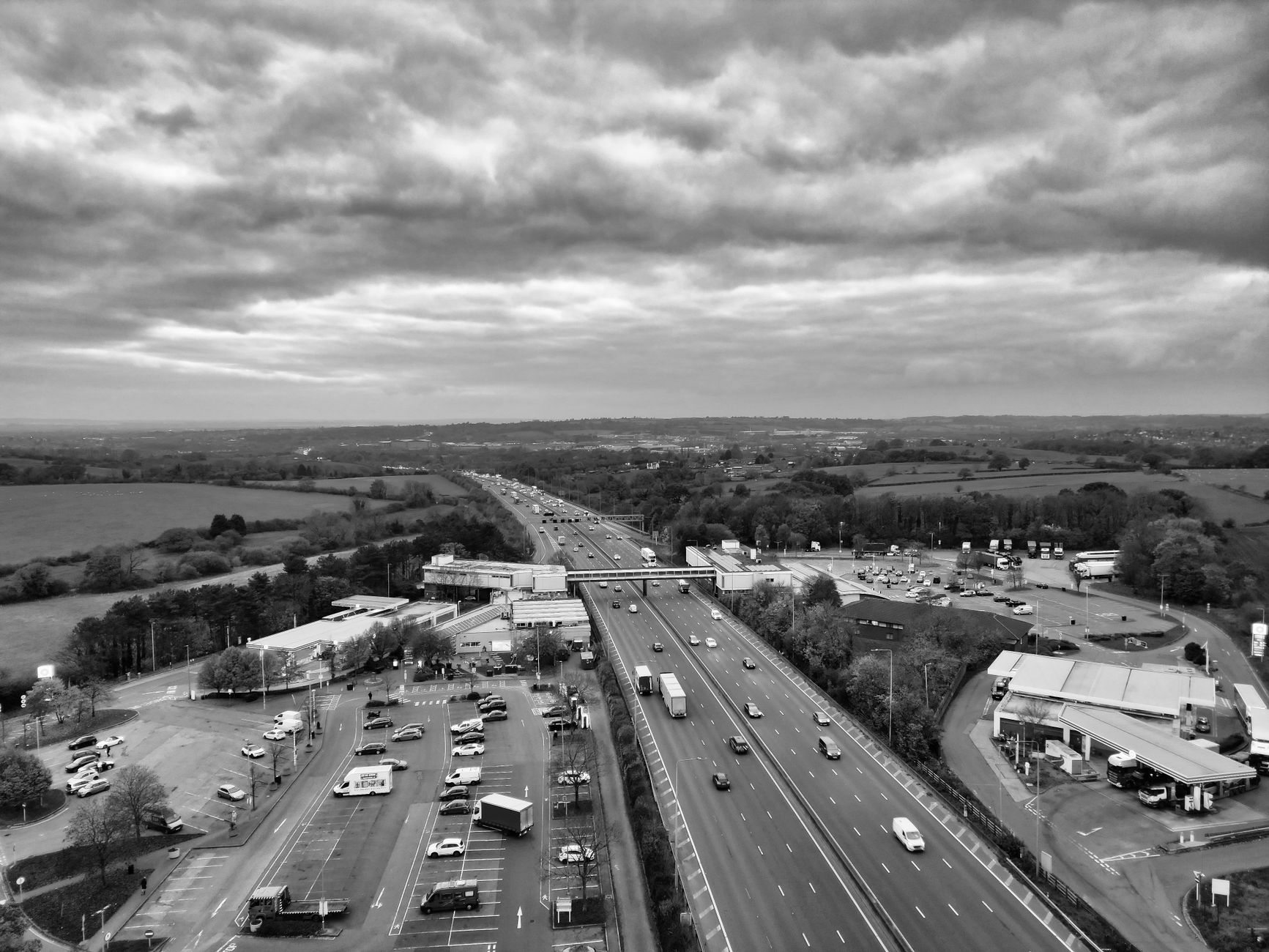
Why it matters more after you pass
The test checks you can control the car and won't do the one thing that gets a normal driver killed. It doesn't and can't check the years after, when you're tired, running late, and sharing the road with people on phones. Defensive driving is what carries you through those years, because skill fades into habit and habit is the thing that's actually driving you home most nights.
Assume the mistake
The core of it: drive as if the other driver is about to do something stupid, because often enough they are. The car at the side road hasn't seen you. The one in the next lane is about to change lanes without looking. The green light means nothing about the driver still finishing their amber. Assume the error, leave room for it, and most of what other people get wrong never touches you.
The most expensive assumption on the road is that the other driver has seen you. You feel obvious. You are not. Make eye contact where you can, cover the brake at junctions, and be ready for them to pull out anyway. Being right about who had priority is cold comfort from the inside of a bent car.
Space and speed do the heavy lifting
Almost every safe outcome comes back to two dials: how much space you keep and how fast you're going. The two-second gap on a dry road, doubled in the wet, is the cheapest insurance there is. Speed within what you can actually see and stop for, especially at night and in rain, is the other. Get those two right and you've bought yourself the one thing that saves you: time to react.
Conditions change the rules, so change with them
Rain doubles stopping distances. Night shrinks your sight to the reach of your lights. Ice turns a routine bend into a gamble. None of these are exotic. They're most of an Irish year. The defensive driver reads the conditions and adjusts before the road forces it, dropping speed and adding space the moment the surface or the light stops being kind.
The close
Defensive driving isn't fear and it isn't crawling along annoying everyone behind you. It's driving with a plan for the thing that hasn't happened yet, every trip, until the plan is automatic. Skill gets you the licence. This is the thing that keeps the licence from being the most dangerous thing you own.