1st Gear
The Benefits of Enrolling in a Professional Driving School
The real benefit of a proper driving school isn't a certificate. It's that you come out driving the way the test wants and the road needs, instead of the secondhand way you first picked it up in someone else's car. That difference is invisible on day one and it's the whole thing by test day.
People frame it as a cost. It's better read as the difference between learning right once and learning wrong then paying to unlearn it. Here's what you're actually getting for the money, past the twelve lessons the law makes you take anyway.
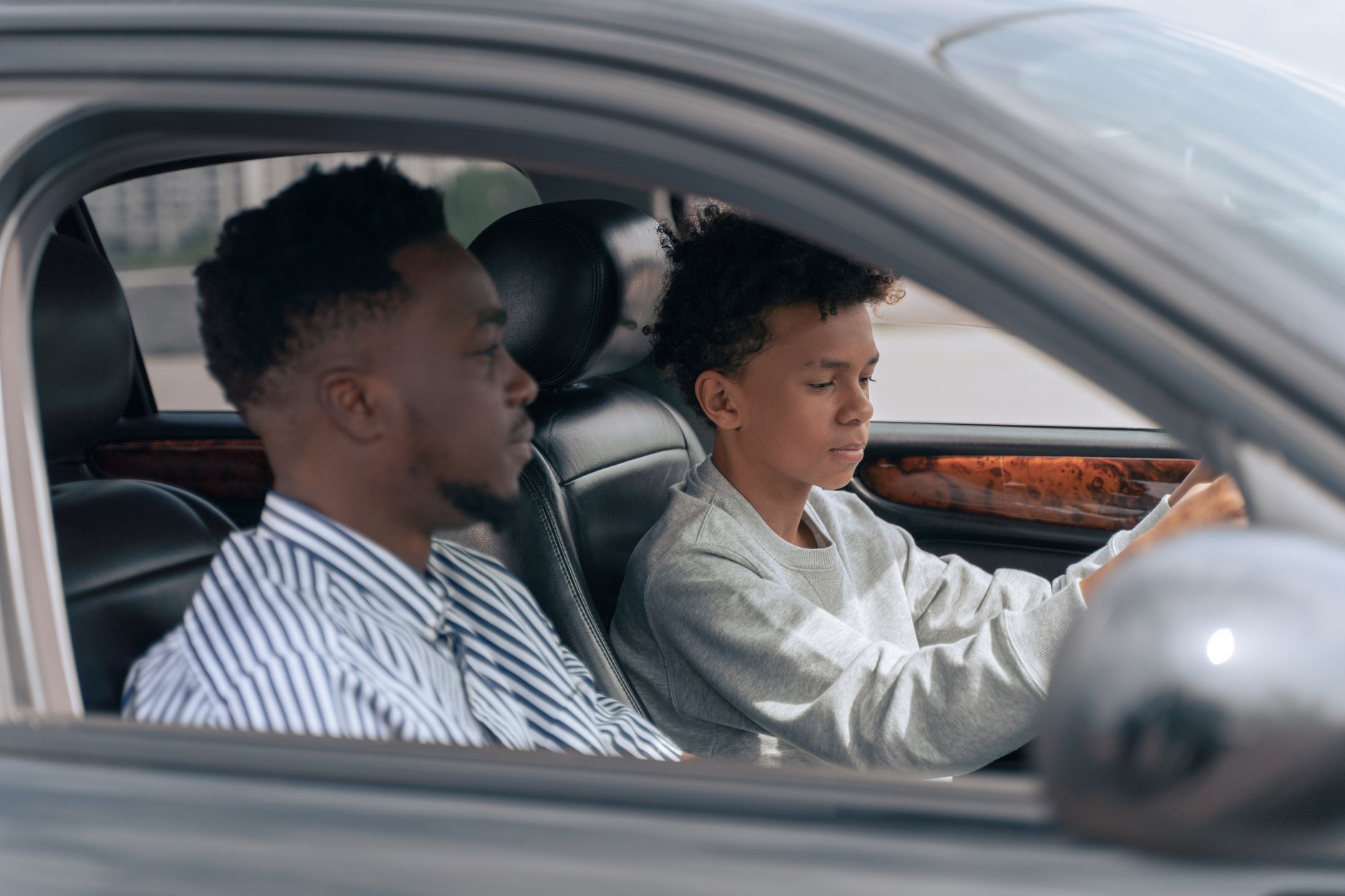
The right habits, in the right order
A professional builds skills in a sequence that makes each one hold: controls, then moving off and stopping, then junctions, then the busy stuff, then the sharp end. Learn it out of order or in a panic and the foundations wobble. The order isn't bureaucracy. It's the difference between a skill that sticks and one that collapses the first time a real junction stacks three demands on you at once.
Honest marking you can't get at home
A parent or a mate wants you to feel good and won't tell you the roundabout was a grade three. A professional will, because their job is to find the fault while it's still free to fix. That honesty is uncomfortable and it's exactly what you're paying for. Reassurance is cheap and everywhere. Someone who'll tell you the truth about your driving is rarer and worth more.
The faults that fail people are the ones that feel normal from the driver's seat: the shrunk mirror check, the rolled stop, the crossed hands. You cannot see your own blind spots, by definition. The single biggest thing a professional gives you is a trained second pair of eyes catching those in real time, before they set like concrete.
Practice on the roads that matter
A good school teaches on the kind of roads the test actually uses, the busy junctions and multi-exit roundabouts, not the soft estate roads that keep a learner comfortable. Comfortable roads build comfortable drivers who fall apart the first time the road gets real. Real roads build drivers who don't. The test knows the difference, and so does the traffic afterwards.
A licence that means something after the test
The point was never the pass. The point is the five years after it, when you're the driver other people have to share a road with. A professional builds the habits that outlast the test: real observation, kept following distances, lane discipline that's automatic. That's the driver you actually want to be, and it's the one a scramble of self-taught practice rarely produces.
The close
Enrol properly and you're buying competence, not confidence, and competence is the one that lasts. The certificate is just the receipt. What you're really taking away is a set of habits that keep you off the tester's sheet and out of the worst of what the road does to the drivers who learned it wrong.