1st Gear
Learning to Drive at a Driving School Can Save Time and Money
The cheapest way to learn to drive looks expensive on day one and turns out cheapest by the end. Proper lessons cost money up front. Self-teaching your way into a fistful of bad habits costs more, later, in re-sits and undoing, and you pay it in time as well as money.
People think they're saving by keeping it all in the family car with an uncle who "drives grand." Sometimes it works. Often it just delays the bill, because the habits the uncle teaches are the ones the tester fails, and unlearning is slower and dearer than learning it right the first time.
Bad habits are the expensive part
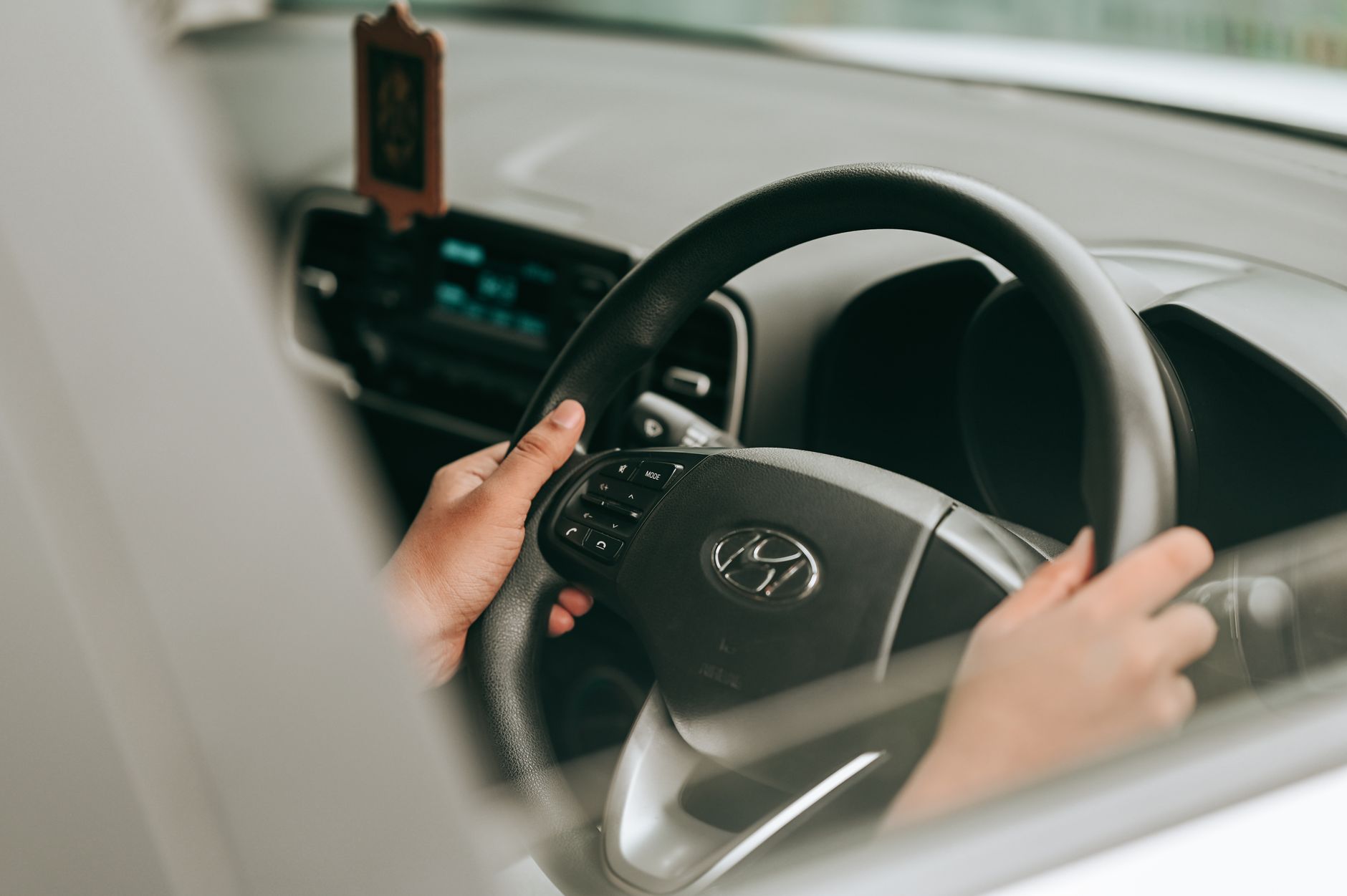
Every fault you practise gets stronger, whether it's right or wrong. Cross your hands on the wheel for six months and it's automatic, and now an instructor has to spend lessons unpicking it before you can even start improving. Learn it correctly from the off and that whole cost never lands. The most expensive lesson is the one you spend undoing free practice that went wrong.
Re-sits are money you don't get back
A big share of learners fail the driving test first time, and most of those fail on a handful of habits nobody flagged for them. Every re-sit is another fee, another wait, and another day booked off. A few honest lessons that catch those faults early are cheaper than a single re-sit, and they usually prevent more than one.
Self-taught learners often spend more total hours behind the wheel and still take longer to be ready, because unstructured practice repeats what you're comfortable with instead of fixing what you're weak at. A structured lesson targets the weak thing on purpose. That's why an hour of it can be worth three of the comfortable loop.
EDT is mandatory anyway, so use it well
Every car learner has to do the twelve Essential Driver Training lessons regardless, so the question isn't whether to pay for lessons. It's whether to get value out of them. Treated as a syllabus, the twelve build real skill in the right order. Treated as a box to tick, they're twelve hours of money spent for twelve signatures and day-one driving.
The insurance angle
Some insurers look more kindly on a driver who learned properly and holds a clean, full licence sooner. Fewer re-sits means a full licence quicker, and a full licence usually means a friendlier premium than a learner permit renewed three times. It's not the main reason to learn right, but it's another place the "cheap" way quietly costs you.
The close
Learning to drive is one of those jobs where doing it properly is the frugal choice, not the fancy one. Pay for the method, build the mileage around it, and you'll likely spend less in total than the fella who saved money by teaching himself and paid for it three tests later. The road doesn't discount bad habits. It charges interest on them.