1st Gear · Dublin
Preparing for the Driving Test in Dublin
The Dublin test centres route you through the exact stuff you can't fake, on purpose. Busy roundabouts, box junctions, pedestrian-heavy stretches, and a merge or two. If you trained on real Dublin roads, none of it is new. If you trained in a quiet estate, all of it is, and the day becomes an ambush.
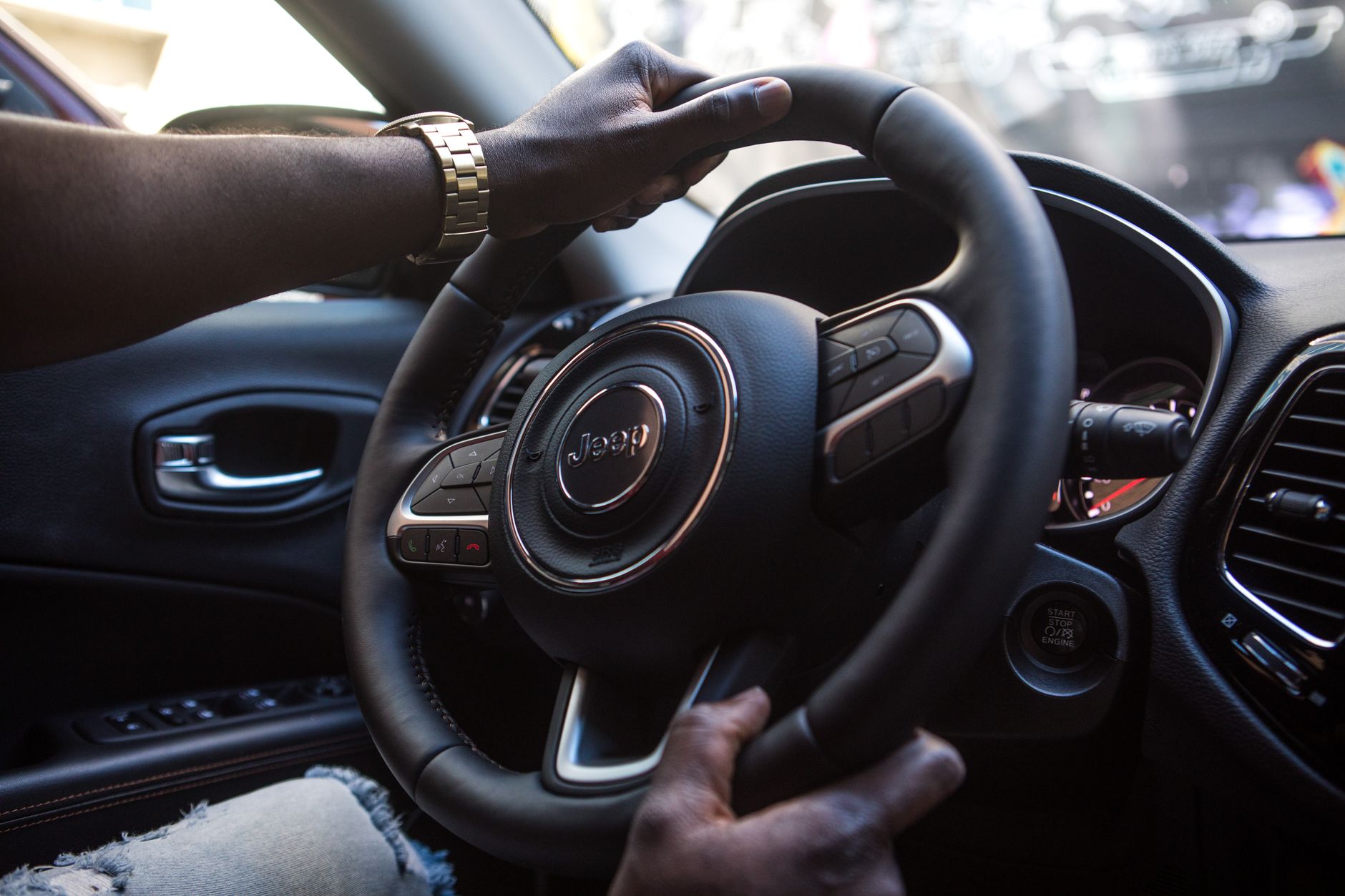
Know the kind of roads, not just the route
Don't waste your prep memorising a single route, because the tester can vary it. Prepare the types of road instead: the four-exit roundabout, the box junction, the dual-carriageway merge, the tight residential turn. Master the categories and it doesn't matter which order they come in. That's what tailored pretest work around a Dublin centre is for, and it beats any lucky guess about the route.
The manoeuvres, on real roads
Reverse around the corner, the turnabout, the reverse into a bay. People fail these not because they're hard but because they practised them in an empty car park with no traffic and no pressure. The test wants the same move on a live road with a car waiting. Rehearse them where they'll actually be asked, on ordinary Dublin streets, and the hard version becomes the one you know.
Faults run Grade 1 to Grade 3, and one grade three is a straight fail. The usual suspects: rolling a stop line, cutting across a lane on a roundabout, blocking a box junction, or making another road user brake or swerve because of something you did. Keep those four off the sheet and a clean test is very much on.
Observation is most of the marks
Through the whole drive the tester is watching your eyes as much as your hands. Real mirror checks, proper shoulder checks before moving off and turning, genuine looks into junctions before you commit. Observation that means something changes your next move. Observation for show doesn't, and a tester spots the difference in the first five minutes.
Calm is a by-product, not a decision
You don't decide to be calm at 10:55. Calm is what's left over when you've done the thing so many times your hands run it without you. A big share of learners fail the first go, so if it happens, book the re-sit and get back on the road. It's the pass rate, not a verdict on you.
The week before, and the morning of
The week before is for reps, not cramming. Drive the types of road the centre uses, tidy up the one or two faults a mock flagged, and stop chasing perfection, because perfect isn't the bar. The morning of, get there early, do a short warm-up drive if you can so your hands are already awake, and check you've the permit and your glasses if you need them. Then treat it as a Tuesday you've had before. The nerves feed on novelty, and by now none of it should be novel.
The one instruction
Do your preparation on the roads the test uses. That's the whole secret, and it isn't a secret. Proper Dublin lessons in real traffic turn the test centre into familiar ground, and familiar ground is where nerves quietly starve.