1st Gear
Be Prepared: Defensive Driving Tactics for Every Situation
Defensive driving is one idea wearing a lot of hats: assume the other driver is about to do something stupid, and leave yourself the room to survive it. That's it. Everything else is just that idea applied to a junction, a motorway, a wet bend or the phone-in-the-lap merchant in the next lane.
It isn't nervous driving and it isn't slow driving. It's driving with a plan for the thing that hasn't happened yet. The good drivers you share a road with are all doing it, quietly, and most of them couldn't tell you they were.
Space is the whole game
Every defensive move comes back to space. Space in front is the two-second gap on a dry road and four on a wet one, and it's the cheapest safety upgrade you'll ever make. Space to the sides means not sitting in someone's blind spot and not letting them sit in yours. Space is time, and time is the thing that turns a sudden problem into a manageable one.
Always have an escape route
Good drivers are constantly, half-consciously answering one question: if the car in front stops dead right now, where do I go? Sometimes the answer is the gap you've kept in front. Sometimes it's the hard shoulder or the space in the next lane you already checked. If the answer is "nowhere," you're too close or boxed in, and you fix it before the question gets asked for real.
The car drifting in its lane is on a phone. The one with no gap to the car ahead is impatient and about to do something. The one that hasn't signalled but keeps glancing right is about to change lanes anyway. You can see trouble forming a few seconds early if you watch how people are driving, and a few seconds is all defensive driving ever needs.
At junctions, trust nothing
A car waiting to pull out is not a car that has seen you, no matter how obvious you feel. Cover the brake, ease off, and be ready for them to come out anyway, because the ones that do are the ones who "looked" the way people look when they've already decided. Same at green lights: a green means go for you, and it means nothing about the driver still crossing on the last of their amber.
In the wet and the dark, buy more room
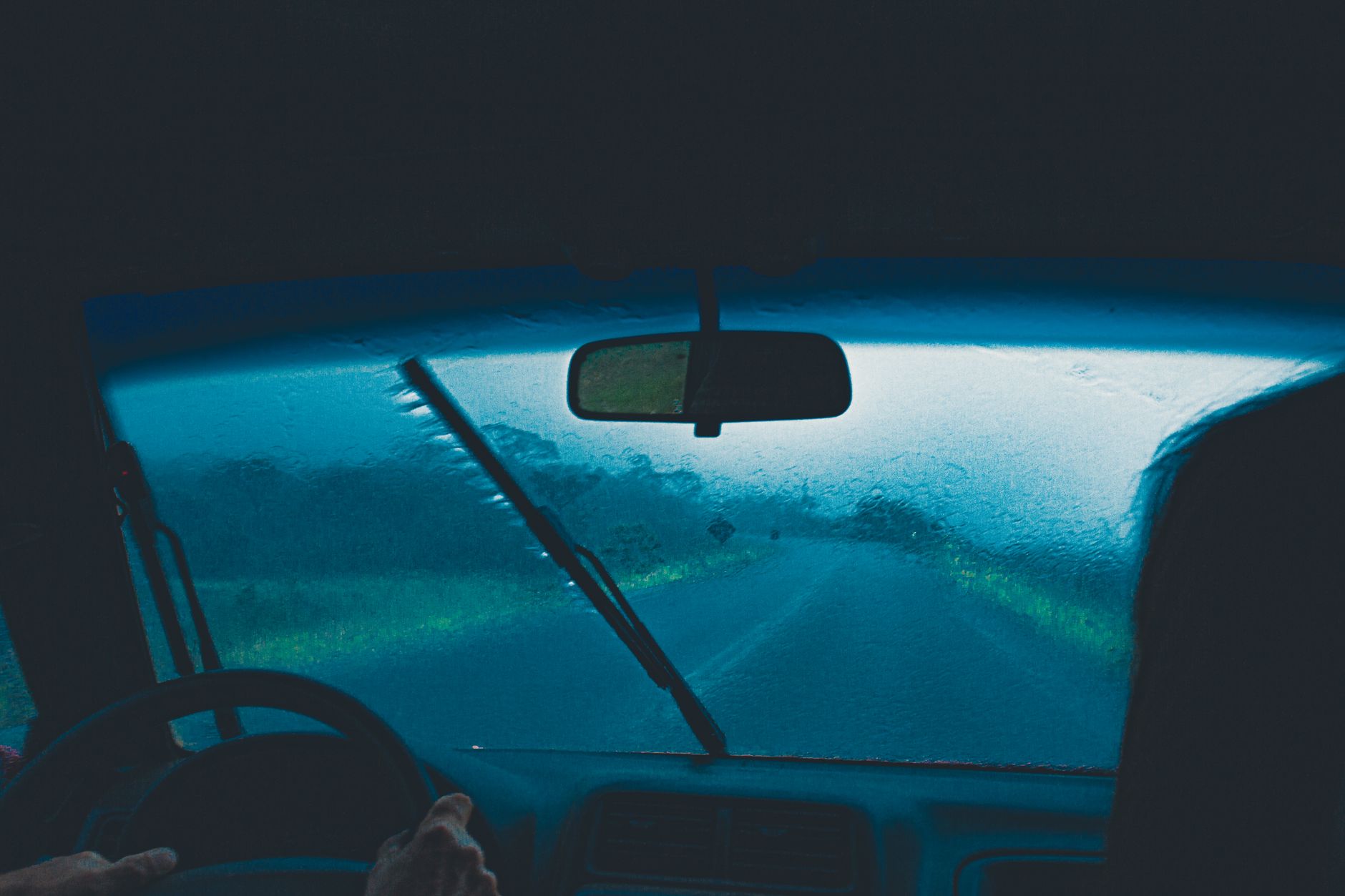
Rain doubles your stopping distance and hides the road's edges. Darkness shrinks what you can see to the reach of your lights. Both mean the same fix: more following distance, less speed, and earlier reactions. Defensive driving in bad conditions isn't clever. It's just admitting the road got harder and adjusting before it makes you.
The close
You can't control the eejit on the phone, the one who runs the amber, or the one who merges with his eyes shut. You can control the space around your own car and the plan in your own head. Keep both, and most of what other people get wrong becomes a story you tell later instead of a claim you file.